

Bed Bug Exterminator Waterloo ON
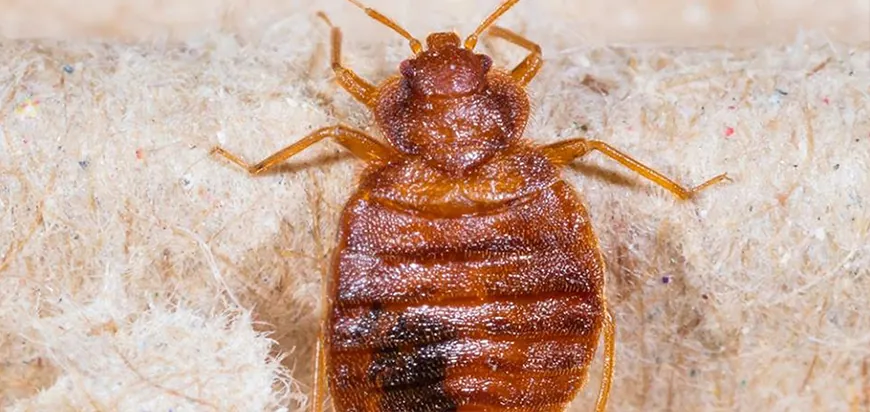
Bed bug treatment in Waterloo
Bed bugs are removed by treating every harbourage in the room on one day, then treating again 10 to 14 days later. The second visit is not optional and it is not an upsell. Eggs are the reason: they are cemented into seams and cracks, they are shielded from most products, and they hatch after the first treatment’s residual has weakened. Skip the follow-up and the population rebuilds from the eggs you could not reach.
We are based on Hawkins Drive in Cambridge and cover all of Waterloo — uptown, the Beechwood and Westmount neighbourhoods, and the dense rental blocks around the two universities — seven days a week.
Why Waterloo is a harder bed bug city than most
Waterloo has a pest profile that Cambridge does not, and it comes down to turnover. Two universities means a large share of the housing stock changes occupants every eight to twelve months, often with second-hand furniture moving in and out on the same weekend. Bed bugs travel in exactly that traffic: in mattresses, box springs, upholstered chairs and the seams of luggage.
The second factor is shared structure. In a multi-unit building, bed bugs move along baseboards, through wall voids and around plumbing and electrical penetrations. Treating one unit while the neighbouring units go untreated is the single most common reason a Waterloo infestation comes back weeks later looking like a treatment failure. It usually is not one — the population simply moved next door and returned.
If you are in a rental, tell your landlord or property manager in writing before treatment is booked. In Ontario the landlord is generally responsible for pest control in a rental unit, and adjacent units often need to be inspected at the same time for the work to hold.
How to know it is bed bugs and not something else
Bites alone are not a diagnosis — people react very differently, and some not at all. Look for:
- Live insects. Adults are 4 to 5 mm, flat and oval, reddish brown, about the size and shape of an apple seed. Check the piping and seams of the mattress first, then the bed frame joints and the headboard where it meets the wall.
- Dark spotting. Small ink-like dots on the mattress, sheets or the wall behind the bed. This is digested blood and it smudges if you wipe it with a damp cloth.
- Shed skins. Translucent amber casings, in the same seams and joints. Bed bugs moult five times, so an established population leaves plenty behind.
- Eggs. About 1 mm, pearly white, glued into cracks. Hard to see without a torch and hard to remove without disturbing the surface they are stuck to.
- Smell. A sweet, musty odour in a room that has no other reason to smell. This usually means a large, established population rather than an early one.
What treatment involves
We treat the whole room, not the bed. Bed bugs harbour wherever they can be in contact with a surface on both sides, which in practice means mattress and box spring seams, bed frame and headboard joints, baseboards, the underside and back of nightstands and dressers, curtain hems, and the edge of carpet where it meets the wall. On a second visit we work the same list again, because that is where the newly hatched nymphs will be.
Throwing out a mattress does not solve it and often makes things worse: the rest of the room is still infested, and dragging an infested mattress through a hallway is how bed bugs reach other units. If a mattress does have to go, it should be sealed and cut before it leaves the room.
For a fuller walk-through of signs, treatment and prevention, see how to get rid of bed bugs, or our general bed bug extermination service. Everything we cover locally is on the Waterloo pest control page.
Preparing for the visit
Preparation makes the difference between a treatment that holds and one that does not:
- Strip all bedding and wash it hot, then dry on high heat — heat is what kills, not the wash.
- Bag laundry and clutter from the floor in sealed bags, and do not move those bags into another room.
- Pull beds and furniture 30 to 40 cm away from the walls so the baseboards are reachable.
- Vacuum floors and mattress seams, then empty the vacuum into a sealed bag outside.
- Do not spray retail products beforehand — most are repellent and scatter the population deeper into the structure.