

Mice and Rat Extermination
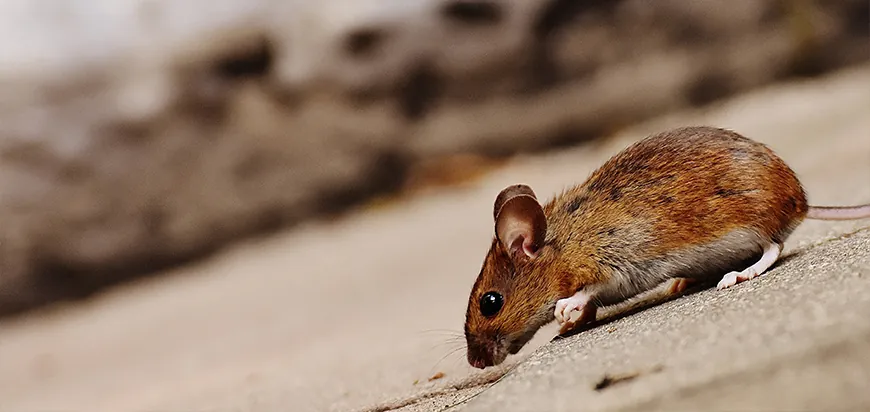
| Length: | 4-6 inches |
|---|---|
| Color: | Gray to Brown |
| Life Span: | 40-50 young in lifespan of 1 year. New born female young can reproducing after 3 months. |
| Treatments: | We use glue boars, live traps, secured and locked rodenticide bait stations. |
Mice and rats are removed by finding and sealing the gaps they enter through, then trapping the population already inside — in that order. Baiting alone clears the animals currently in the building and does nothing about the opening they used, so a fresh population moves into the same void within weeks.
A mouse needs a gap the width of a pencil; a rat needs one the size of a two-dollar coin. The usual routes are where utility and gas lines enter the foundation, gaps under garage and side doors, uncapped floor and roof drains, cracked mortar, and openings under decks and sheds. Rats chew back through expanding foam, so exclusion needs materials they cannot gnaw.
For more details about mice/rats please visit Health Canada on rats and mice and California DPR's rat factsheet (PDF).
Signs of a Rodent Problem
Most people hear rodents before they see them. Scratching or scurrying inside walls and ceilings after dark is usually the first sign, because mice and rats are most active in the few hours after sunset.
The physical evidence is easier to confirm:
- Droppings. Mouse droppings are 3 to 6 mm and pointed at the ends; rat droppings are 12 to 18 mm and blunter. A single mouse leaves dozens a day, usually along walls, in cupboards and under sinks.
- Gnaw marks. Rodent incisors grow continuously, so they chew constantly to wear them down. Fresh marks on packaging, baseboards, wiring and plastic pipe are pale and darken with age.
- Grease trails. Rodents run the same routes along walls and leave dark smudges where their fur touches the surface.
- Nesting material. Shredded insulation, paper, cardboard or fabric packed into wall voids, appliance housings and storage boxes.
- Smell. A persistent musky ammonia odour usually means an established population rather than one stray animal.
Mice or Rats?
The treatment differs, so the identification matters. House mice have a body 7 to 10 cm long, large ears and a thin tail about as long as the body. Norway rats run 20 to 25 cm in the body, with small ears, a heavy build and a thicker, shorter tail.
Mice are curious and investigate new objects, which makes them relatively easy to trap early. Rats are neophobic — they avoid anything new in their environment for several days, so traps set today may not be touched until next week. Rats also range further and often nest outdoors, in burrows near foundations, under decks and in dense ground cover.
How We Treat a Rodent Infestation
The order of the work matters, because doing it out of order is what causes repeat infestations:
- Inspection. Locating entry points, runways, nesting sites and food sources, inside and around the exterior of the building.
- Exclusion. Sealing the gaps the animals are actually using, with materials rodents cannot gnaw through. Expanding foam on its own does not hold — rats chew straight back through it.
- Removal. Trapping, and where appropriate secured and locked bait stations, placed along established runways rather than out in the open.
- Follow-up. Rodent work is rarely a single visit. Traps and stations need checking, and any route missed on the first pass gets closed.
Baiting on its own is the most common mistake. It clears the animals currently inside and leaves the opening they came through untouched, so a fresh population moves into the same void within weeks.
Why Rodents Come Indoors in Autumn
Rodent calls rise sharply from September through November across southern Ontario. As overnight temperatures fall and outdoor food gets scarce, mice and rats move toward heated buildings and stay for the winter.
A mouse needs a gap the width of a pencil to get in; a rat needs one about the size of a two-dollar coin. Sealing those gaps before the weather turns is far easier than removing an established population afterwards. If you had rodents last winter, the entry points are almost certainly still open.
Health and Property Risks
Rodents contaminate far more food than they eat, through droppings, urine and hair. They are associated with salmonella, leptospirosis and hantavirus, and their droppings and dander can trigger asthma and allergic reactions, particularly in children.
They are also a fire risk. Rodents chew through wiring insulation, and damaged wiring inside a wall void is not visible until something fails.