

Wasp Nest Removal & Exterminator
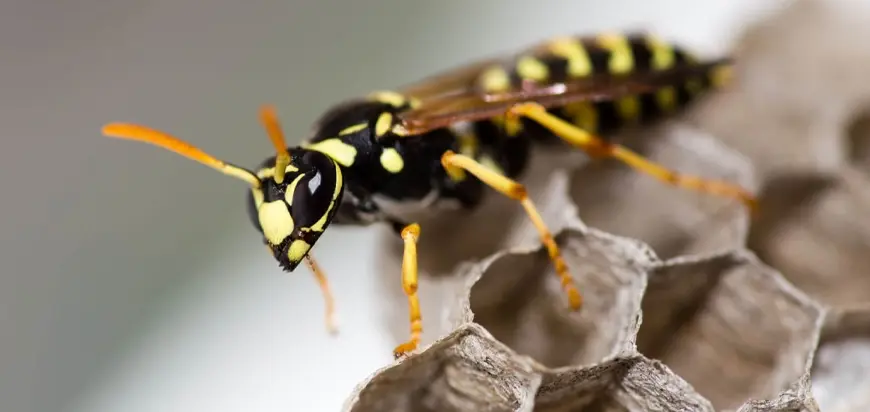
Wasp and hornet nest removal, done properly
A wasp nest is one of the few pest problems that gets more dangerous the longer you leave it. A nest that held a couple of dozen wasps in June can hold several thousand by late August, and colonies get noticeably more defensive as the season goes on. If you have found one on your property, the sensible move is to have it dealt with now rather than at the end of the summer.
We remove the nest itself, not just the wasps around it. Knocking a nest down or spraying the entrance from a distance usually scatters the colony and leaves the comb in place, which is why so many people find wasps back in the same spot a fortnight later. Removing the structure and treating the cavity it sat in is what actually ends the problem.
Wasps, hornets and what the difference means for you
The three we are called out to most in southern Ontario behave differently enough that the treatment changes:
- Paper wasps build the open, umbrella-shaped combs you see under soffits, deck rails and porch ceilings. Smaller colonies, less aggressive, and usually the easiest to deal with.
- Yellowjackets nest inside things — wall cavities, roof spaces, compost heaps, holes in the lawn. You often see traffic in and out of a gap without ever seeing the nest. These cause most of the stings, and most of the callbacks when they are treated badly.
- Bald-faced hornets build the large grey football-shaped nests in trees and on walls. They defend a wide radius and will sting without much provocation.
Honey bees are a different matter. They are not a pest, they are in serious decline, and we do not treat them — if what you have turns out to be a honey bee swarm we will tell you and point you to a local beekeeper who will collect it.
Why not to do it yourself
Hardware-store wasp spray works fine on a small, exposed, reachable nest on a cool morning. The reason we get called is the situations where it does not:
- The nest is inside a wall, roof or soffit and you cannot see how big it is
- It is high enough that you would be on a ladder holding a can above your head
- Anyone in the household has a sting allergy
- You have treated it once already and they have come back
The ladder is genuinely the biggest risk. A great many wasp injuries are not stings — they are falls, caused by someone being stung while holding onto a ladder with one hand.
How we handle it
A typical visit is straightforward. We locate the nest and identify the species, because that decides the approach. We treat at the entry point so returning foragers carry the treatment into the colony rather than being killed outside it. Once activity has stopped we remove the nest where it can safely be reached, and seal or advise on the cavity so the same void does not get colonised again next season — old nests are not reused, but a good nesting site gets found again.
Most nests are a single visit. We work seven days a week, 9am to 9pm, which matters with wasps because the safest times to treat are early morning and dusk when the colony is home and less active.
When to call
Wasp season in this part of Ontario runs from roughly May, when queens start new nests, through to the first hard frost. Activity peaks in August and September, when colonies are largest and the wasps switch from hunting insects to seeking out sugar — which is when they start bothering patios, bins and anyone eating outside.
Early season is easier and cheaper to deal with. If you spot a nest the size of a golf ball in June, that is the moment to act.
Areas we cover
We are based in Cambridge and cover the surrounding region seven days a week. For city-specific details see wasp nest removal in Cambridge or wasp removal in Guelph. We also serve Kitchener, Waterloo, Hamilton, London, Woodstock and Brantford — see our full service area.
Found a nest and not sure what you are dealing with? Call (226) 606-7378 and describe where it is and what it looks like — we can usually identify it over the phone and tell you whether it needs treating urgently.