

Bed Bug Heat Treatment
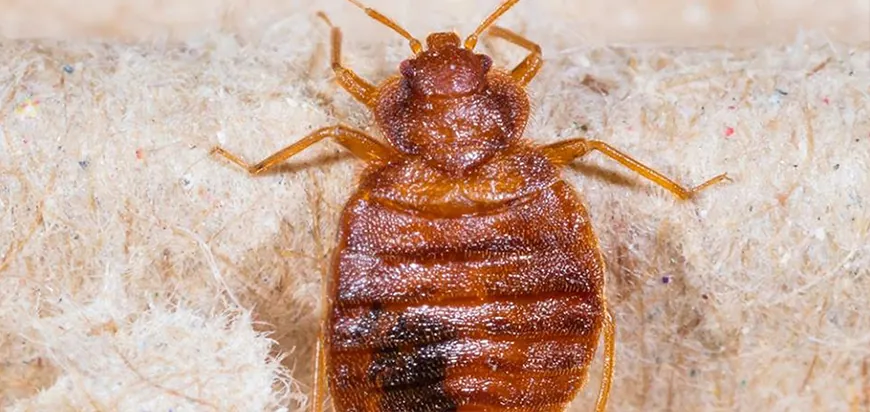
What Bed Bug Heat Treatment Is
Heat treatment raises the whole room above the temperature bed bugs can survive and holds it there long enough to kill every life stage, including the eggs, in a single session. That last part is what separates it from a conventional treatment. Eggs are cemented into cracks and shielded from most products, which is why chemical treatment normally needs a second visit 10 to 14 days later, timed for them to hatch. Heat reaches them the first time.
Bed bugs begin to die at roughly 45°C, and the eggs need a little more. In practice a treatment targets a higher air temperature than that and holds it for several hours, because the number that matters is not the air but the core of the mattress, the inside of a bed frame joint and the void behind a baseboard — all of which lag well behind the room.
How the Work Actually Goes
- Inspection first. We locate the harbourage before anything is heated, because the placement of heaters and fans depends on where the population actually is.
- Preparation. Heat-sensitive items come out of the room (see below), and furniture is opened up and spaced so air can move around and through it. A sealed drawer full of clothing is exactly the kind of place that stays cool while the room does not.
- Heating. Equipment brings the room up gradually while fans circulate air into voids, under furniture and along baseboards. Bed bugs move when they get hot, which is useful: they leave harbourage and travel into air that is hotter still.
- Monitoring. Sensors placed at the hard points — mattress core, deep in the bed frame, behind furniture against an outside wall — confirm the temperature is reached where it counts rather than only in the middle of the room.
- Cool-down and check. The room comes back down under control, and we inspect the harbourage again.
Heat or Chemical? An Honest Comparison
Neither is better in all situations, and anyone telling you otherwise is selling.
- Heat kills eggs in one session. Conventional treatment normally needs two visits because it does not.
- Heat leaves no residue. That is an advantage where chemical treatment is awkward — a nursery, someone with a sensitivity, a food premises. It is also a disadvantage: nothing remains afterwards to deal with an insect that walks back in from a neighbouring unit the following week.
- Chemical leaves a residual. In a multi-unit building where re-entry is the real risk, that residual is doing useful work for weeks.
- Heat needs preparation and access. A room packed to the ceiling cannot be heated evenly, and the cold spots are precisely where the survivors will be.
The two are frequently combined: heat to clear the room in one pass, plus a residual product at entry points and along shared walls so a returning population does not simply re-establish. For the conventional approach in full, see bed bug extermination.
What Has To Come Out of the Room
Heat that kills bed bugs will damage a short list of things. These need to be removed before treatment:
- Aerosols, lighters, and anything pressurised
- Candles, wax items and crayons
- Medication, including anything with storage instructions on the label
- Vinyl records, musical instruments, and instrument cases
- Houseplants and pets, including fish tanks
- Fresh food, chocolate and anything that melts
- Items of sentimental value made of wax, wood veneer or glued laminate
Electronics are usually fine to leave, but tell us what is in the room and we will make the call rather than guessing.
When Heat Is the Right Choice
It suits a heavy infestation that needs clearing quickly, a household where a follow-up visit is difficult to arrange, and any situation where a chemical residual is unwanted. It is less suited to a lightly infested unit inside a building with an active problem next door, where the residual is the thing actually protecting you.
We are based on Hawkins Drive in Cambridge and cover Waterloo Region — Cambridge, Kitchener, Waterloo and Guelph — seven days a week. If you are not sure which approach fits, describe what you are seeing on the phone and we will tell you.